

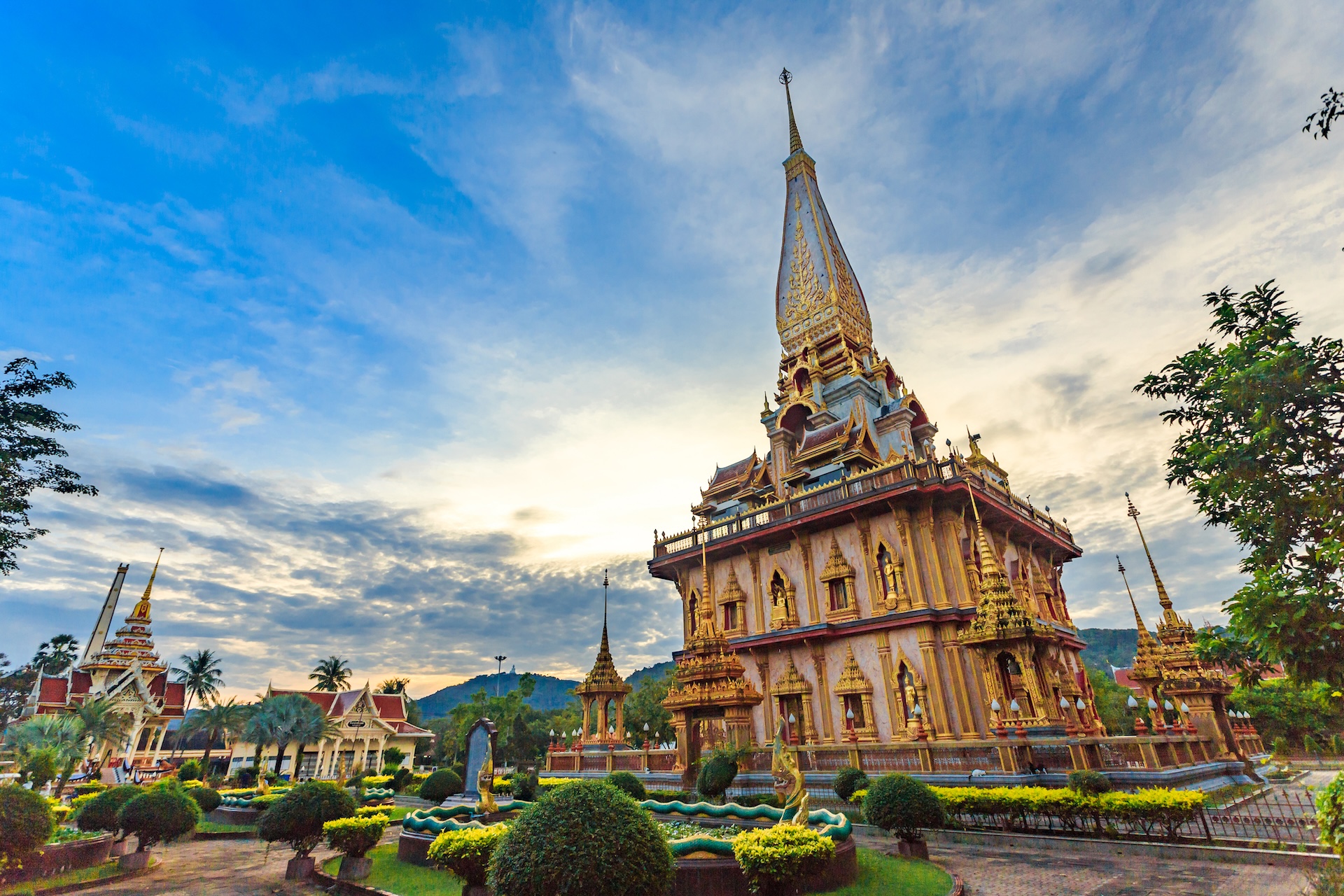
Stepping into the tranquil grounds of Wat Chalong, the hum of the outside world fades into the distance as the golden Phra Mahathat chedi rises above Phuket’s most visited temple. The air is thick with incense, and the temples’ vibrant colours, golden statues and intricate carvings tell stories of centuries-old history.
By: Wanvisa Songsat
Known officially as Wat Chaiythararam, Wat Chalong is not onlt the largest Buddhist temple in Phuket but also the island’s spiritual anchor – a place where locals gather daily to pray, reflect and seek blessings.
The history of Wat Chalong is one that intertwines with the very fabric of Phuket itself. Established in 1837, the temple is dedicated to two revered monks, Luang Pho Cham and Luang Pho Chuang. Their knowledge of herbal medicine and heroic actions during the 1876 Chinese rebellion have become the stuff of legend. It is said that during the rebellion, the monks helped treat the wounded and provided refuge to the local community, cementing their place as symbols of resilience and compassion. This rich history is alive in every corner of Wat Chalong, from the statues that honour these figures to the relics that are preserved with reverence.
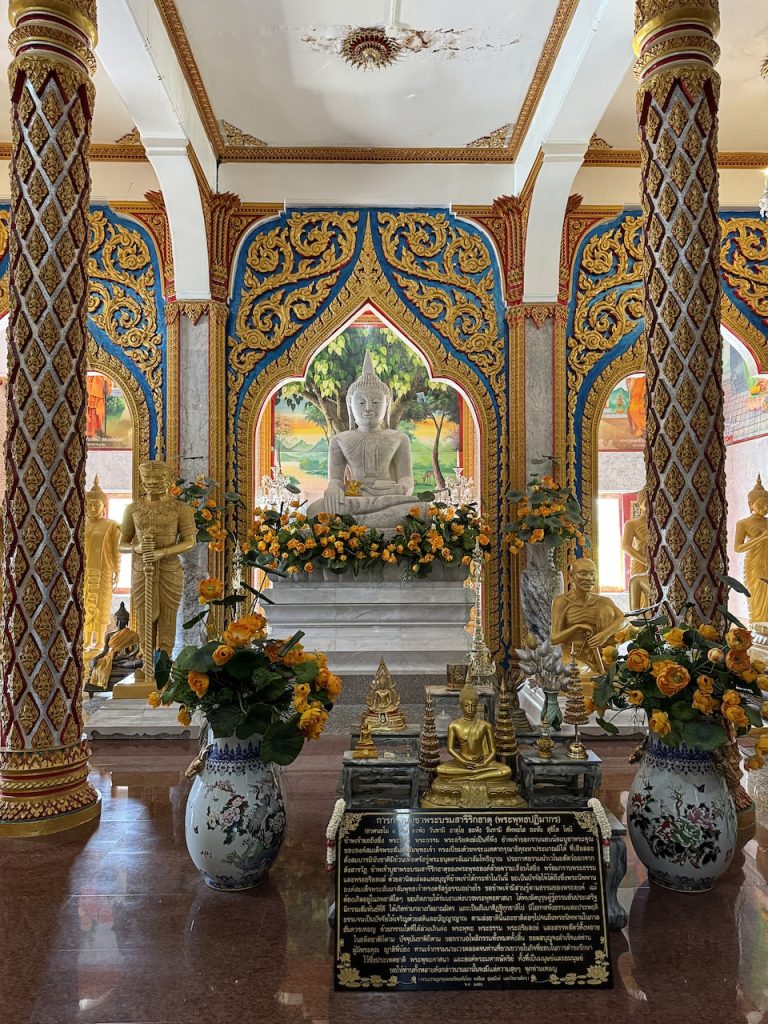
My journey begins at the base of the towering Phra Mahathat Chedi, a 60-metre pagoda that casts its shadow across the temple complex. The grand structure, a feat of architecture, is a sacred site, housing a splinter of Buddha’s bone–a relic which brings devotees from near and far to seek spiritual merit. As I make my way inside the Chedi, the murals that adorn its walls tell the story of Buddha’s life in vivacious colours. The stories are a humbling reminder of the temple’s role as a centre of spiritual education, inviting thoughts of our own spiritual journey.
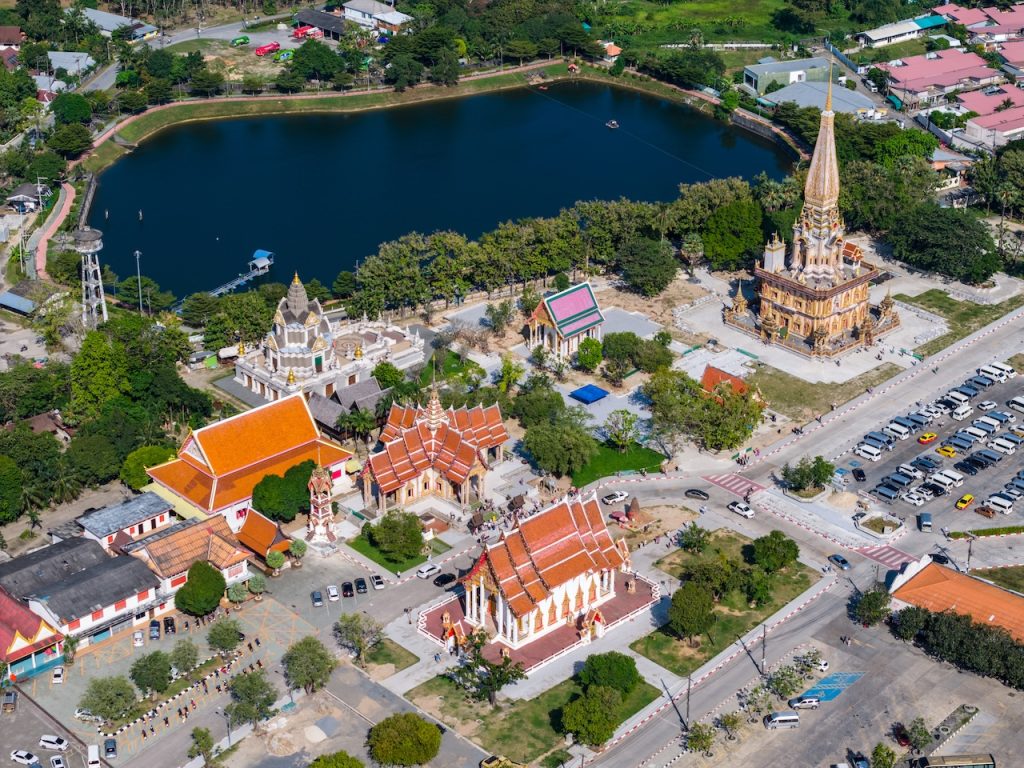
Up on the third floor, the panoramic view of the temple grounds unfolds. The peaceful Phuket landscape is dotted with golden statues and lush gardens, providing a serene backdrop to the reflections below. From here, I catch sight of the nearby Big Buddha watching over Chalong, a spiritual presence all who have visited southern Phuket will know.
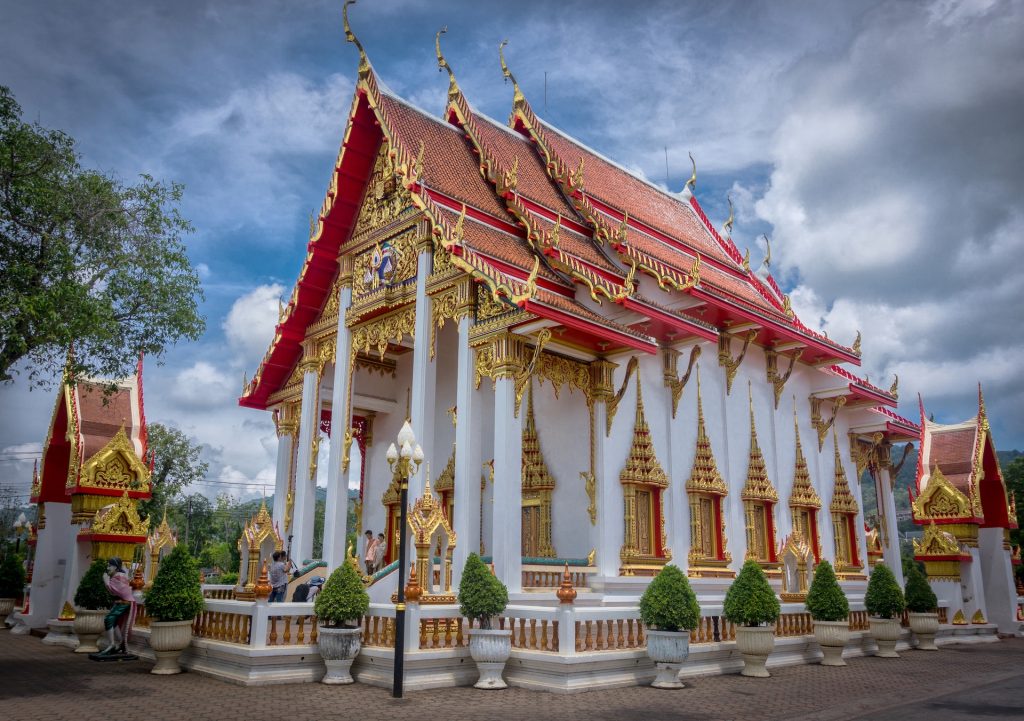
The quiet early hours of the morning–set aside for worship, allow you to observe the devotion of the locals, many of whom are offering incense, making merit, or applying gold leaf to statues. These acts of reverence are done in the hopes of blessings in health, wealth, and good fortune. There is a sense of sacredness in every gesture, as if the temple’s energy resonates with everyone who visits, creating a space where personal prayers and collective devotion coexist. Visitors like myself, whether seeking spiritual connection or cultural insight, are welcomed into this sacred space with respect and humility.
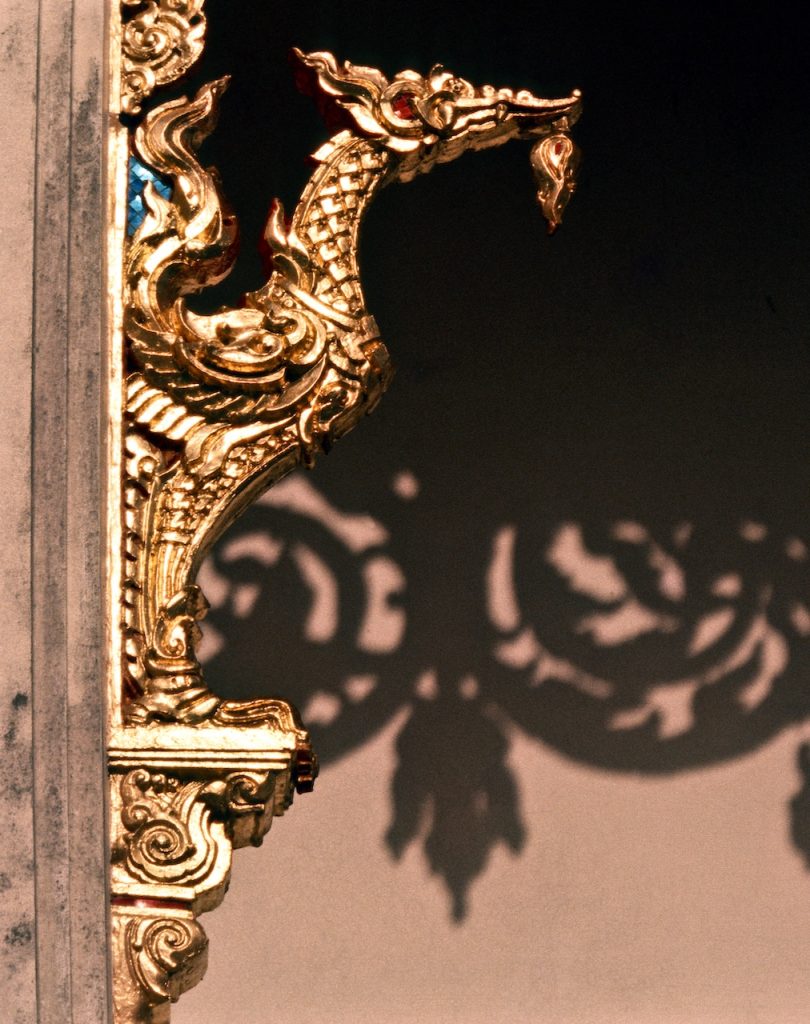
The temple’s architectural beauty is undeniable. Each structure within the complex–from the ubosot (ordination hall) to the viharn (hall of reverence)–is a work of art in its own right. The intricate carvings, ornate decorations, and distinctive Thai Buddhist style invite contemplation at every turn. The vibrant gold and red hues–standard in Thai temple architecture–seem to possess an unusual brilliance here, as if the spiritual energy of centuries has somehow intensified their radiance. Whether it’s the scale of the structures or the accumulated devotion within these walls, Wat Chalong’s colors appear more vivid than anywhere else in Phuket.
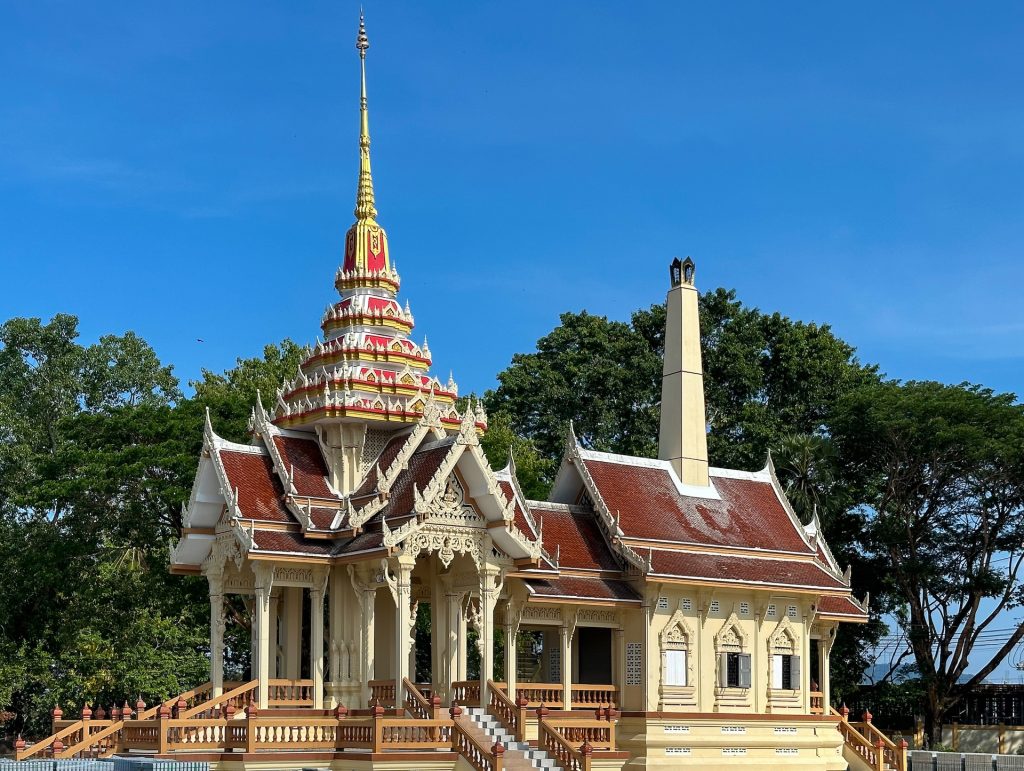
A living, breathing institution, it is an active center for the community, with monks residing on the grounds practicing their daily rituals. Listen for the sound of the gong calling the faithful to prayer.
Despite its popularity among tourists, Wat Chalong retains an air of serenity. The respectful atmosphere, maintained through a strict dress code and quiet etiquette, ensures that it remains a place for contemplation and reflection. Shoes are removed before entering the temple buildings, and visitors are asked to dress modestly–shoulders covered, knees covered–as a sign of respect for the sacred space.
Whether you come seeking peace, cultural insight, or connection to something greater, Wat Chalong offers all of this and more. Here, at Phuket’s spiritual heart, history, faith, and healing intersect in ways that speak to both the devout and the simply curious–a reminder that some places transcend mere destination to become sanctuary.